
The 13-Gigawatt Strain: India’s Aggressive Data Center Expansion Sparks Urgent Call for Localized Grid Infrastructure
As AI compute hubs scale from 1.2 GW toward a projected 13.5 GW demand, infrastructure experts warn that microgrids and decentralized power solutions must be fast tracked to prevent severe municipal grid bottlenecks.
NEW DELHI: India’s rapid transformation into a global AI computing powerhouse is colliding head on with physical grid limitations. New operational forecasts indicate that the nation’s data center power requirements currently hovering near a manageable 1.2 gigawatts (GW) could balloon to more than 13.5 GW over the coming decade. The sheer velocity of this surge is forcing a fundamental rethink of how heavy infrastructure intersects with local energy distribution networks.
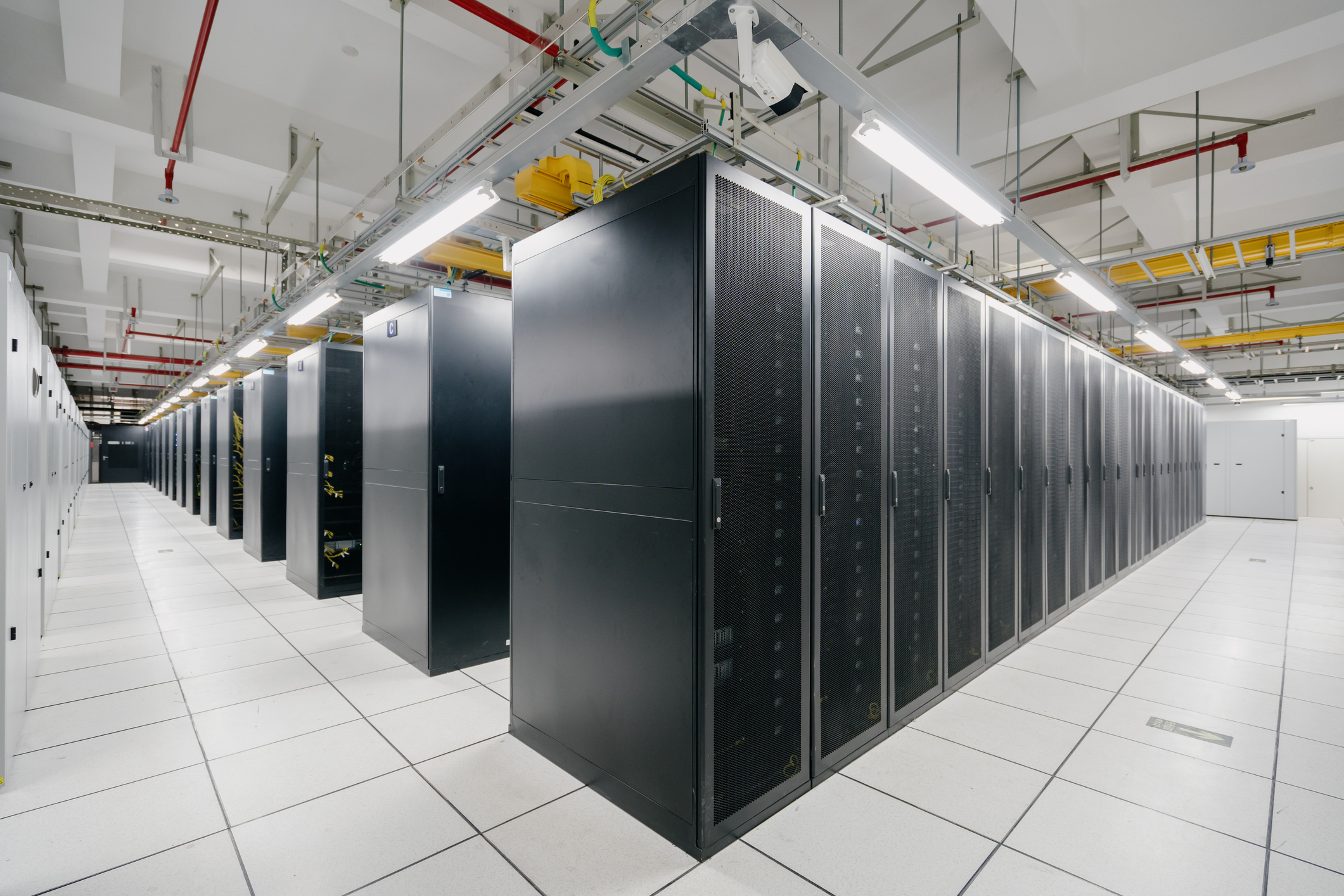
The transition from classical storage architecture to AI heavy environments powered by High density Graphics Processing Units (GPUs) has dramatically rewritten energy equations. Traditional server configurations historically demanded roughly 7 to 10 kilowatts (kW) per rack. Conversely, contemporary localized AI clusters run intensely hotter, requiring dense, specialized power loads alongside complex, high capacity liquid cooling setups. This exponential scaling has localized the strain, creating massive geographical hotspots in computing corridors across Mumbai, Chennai, and Bengaluru. Infrastructure analysts emphasize that the challenge is not a macroeconomic shortage of national generation capability, but rather an acute deficit in localized distribution infrastructure. When multiple hyperscale facilities attempt to draw massive power concurrently from regional substations, the legacy neighborhood transmission grids risk severe overload. To circumvent this, policy revisions introduced this year are allowing developers to apply for specialized distribution status, giving them the legal runway to construct proprietary microgrids and source power directly from clean, off grid generation Facilities.
BuiltWorld AI Operational Take: This macro shift perfectly validates why AI deployment can no longer be evaluated through software alone. As computing infrastructure demands unprecedented physical resources, the integration of macro energy storage systems and autonomous localized demand forecasting will dictate project viability.