
Prefabrication Meets Edge Intelligence: Delta Showcases Rapid Deploy AI Modular Solution at COMPUTEX 2026
A new class of prefabricated modular data center infrastructure claims to slash field deployment timelines by up to 60%, shifting the focus to factory integrated physical AI environments.
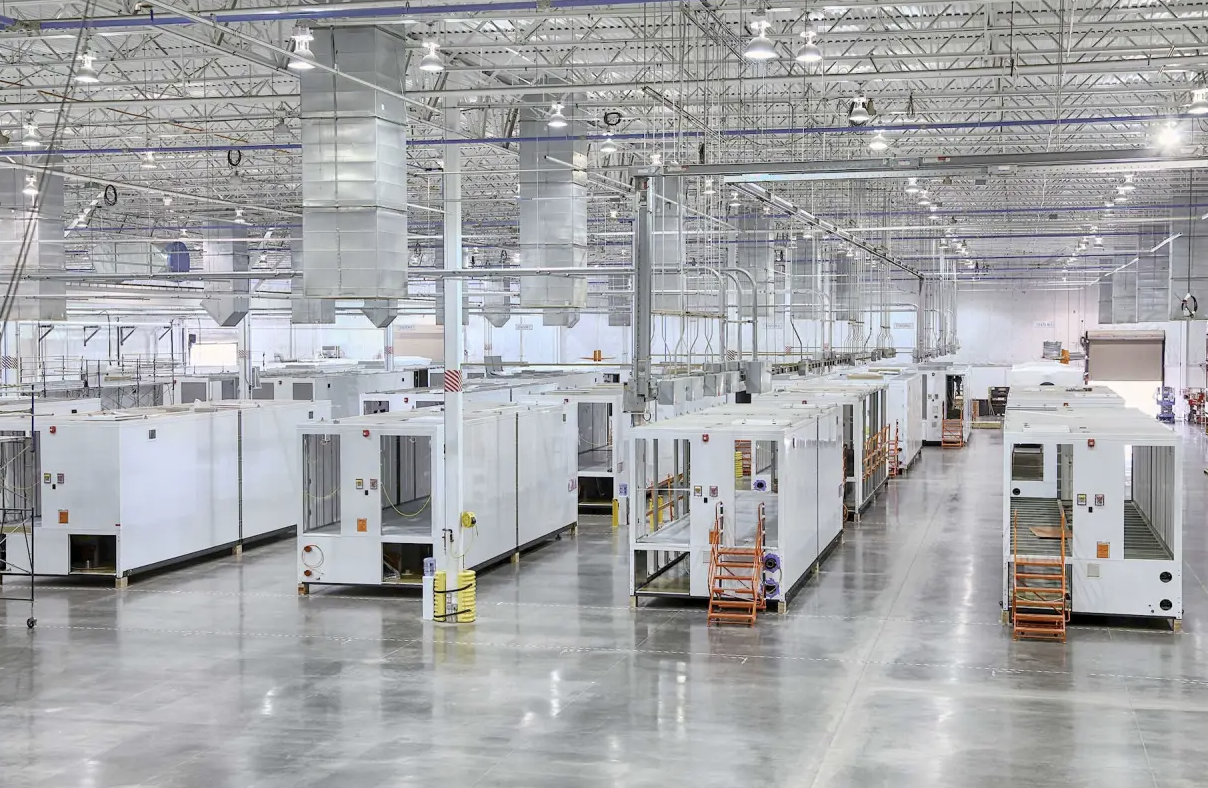
TAIPEI: The structural footprint of artificial intelligence is transitioning toward rapid prefabrication. At the COMPUTEX 2026 technology exposition, industrial power and thermal management leader Delta unveiled its new Prefabricated AI Modular Data Center Solution. The framework promises to curtail standard site level construction and integration times by up to 60%, signaling a critical evolutionary step in how computing facilities are designed and assembled. As advanced artificial intelligence projects graduate from pilot phases to continuous Enterprise wide production, conventional, slow moving construction timelines have turned into severe commercial bottlenecks. Real estate developers and infrastructure funds are finding that traditional brick and mortar builds simply cannot keep pace with competitive capital deployment. The modular solution effectively moves complex engineering such as High voltage power distribution, advanced microgrids, and extreme density cooling arrays offsite and into tightly controlled manufacturing environments.
Crucially, this shift highlights how physical AI applications are extending far beyond standalone, multi megawatt hyperscale campuses. Industrial operators are increasingly embedding modular, software coordinated computing pods directly into active manufacturing facilities, massive transit hubs, and commercial real estate portfolios. Utilizing modern spatial simulation engines, field teams can now test and optimize infrastructure performance long before physical delivery, minimizing unpredictable real estate deployment variables.
BuiltWorld AI Operational Take: Shortening physical setup time changes the risk math for real estate developers. Factory calibrated infrastructure brings predictable baseline efficiencies, proving that the future of physical AI rely on standardized, modular hardware blocks as much as optimized algorithms.