
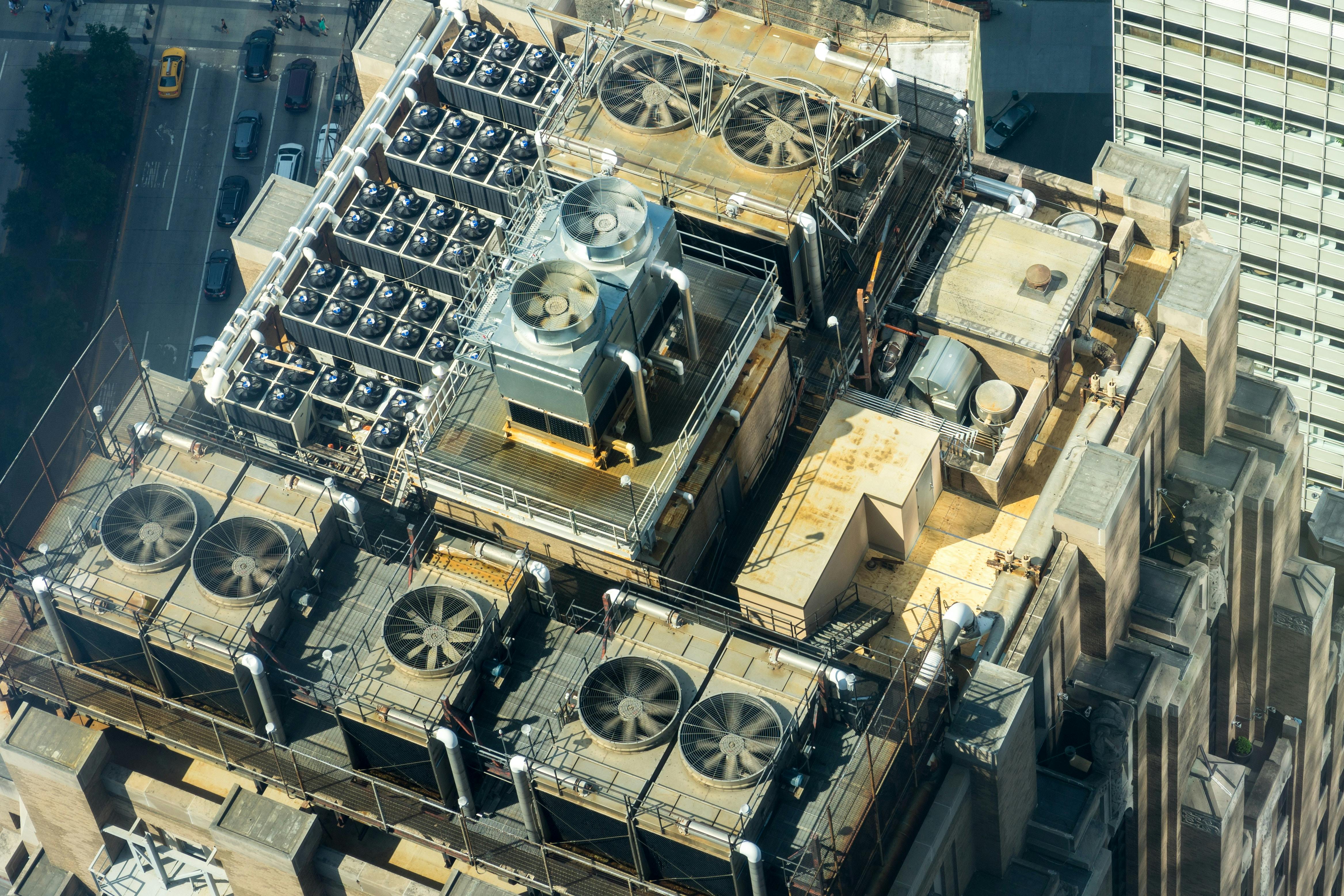
AI Driven Automation Shifts from Premium Commercial Builds to Legacy Structures
Driven by tighter efficiency laws like the updated EPBD, facility managers are integrating adaptive machine learning directly into existing, analog HVAC architectures.
BANGKOK: For years, advanced autonomous building applications were considered luxury amenities reserved exclusively for premium, glass and steel skyscraper projects. However, industry displays at the global NOVA Expo 2026 highlight a drastic strategic realignment. Major industrial automation firms, including Delta Electronics' regional infrastructure divisions, have pivoted their focus toward deploying factory integrated, adaptive machine learning ecosystems into existing, legacy real estate assets.
This sudden mainstream focus on the retrofit market is being accelerated by aggressive regulatory pressures, most notably the newly revised Energy Performance of Buildings Directive (EPBD). The policy makes building automation systems mandatory for non residential structures down to a historically low system capacity threshold. Because the vast majority of buildings that will be occupied over the next three decades are already standing today, the real estate sector is realizing that deep decarbonization goals cannot wait for new construction. The primary technical challenge lies in bridging old, analog hardware with modern cloud intelligence. Rather than completely replacing multi million dollar heating, ventilation and air conditioning (HVAC) plants, engineers are retrofitting edge computing sensors and open protocol automation stations into existing setups. These algorithmic overlays ingest disparate data pools including historical occupancy patterns, real time indoor air quality (IAQ) metrics and external weather forecasts to transform rigid, scheduled climate controls into dynamic, self optimizing physical systems.
BuiltWorld AI Operational Take: The true scaling of Physical AI does not happen in a vacuum; it happens in the messy, unstandardized environment of legacy real estate, by leveraging open communication protocols to supercharge existing mechanical equipment, the property sector proves that retrofitting existing infrastructure with AI is the fastest, most capital efficient path to meeting carbon compliance rules.